Oct 07, 2026
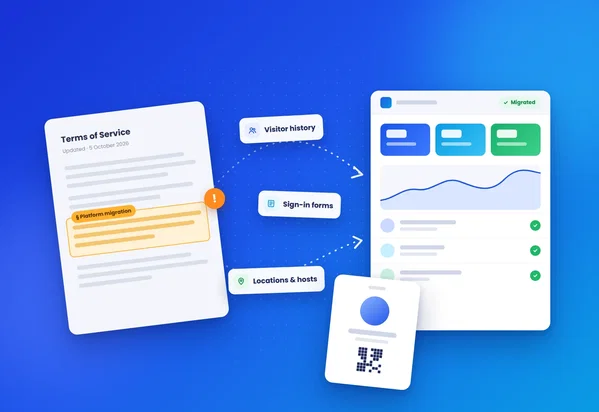
Moving away from SwipedOn? What the new Terms of Service mean and how to switch
Discover the essential skills for security managers in 2024, including key competencies, latest trends, and tips for aspiring professionals. Learn how to excel in security management and protect assets, information, and personnel effectively.

The ten top skills for a security manager are: knowledge of security tech (access control, CCTV, VMS), alertness, attention to detail, fast crisis response, leadership, teamwork, analytical thinking, clear communication, conflict resolution, and continuous learning. These skills help managers protect assets, data, and people in a complex threat landscape.
A security manager runs all security operations. They write policies, run risk assessments, manage staff, and ensure compliance.
As tech evolves, the role includes more digital tools. One big help is the digital visitor management system. It speeds up check-in and boosts security.
Not every security manager has the same role. Large companies may have a whole security management team to cover all security needs:
| Type | Focus Area |
|---|---|
| Physical security manager | Protecting physical assets, facilities, and personnel |
| Cybersecurity manager | Safeguarding digital assets, sensitive information, and IT systems |
| Corporate security manager | Overseeing company-wide asset and personnel security |
| Facility security manager | Securing buildings, managing access control, coordinating emergency response |
| Event security manager | Ensuring safety and security at events and gatherings |

A security manager must know modern security tech. Access control, VMS, CCTV - these tools are essential.
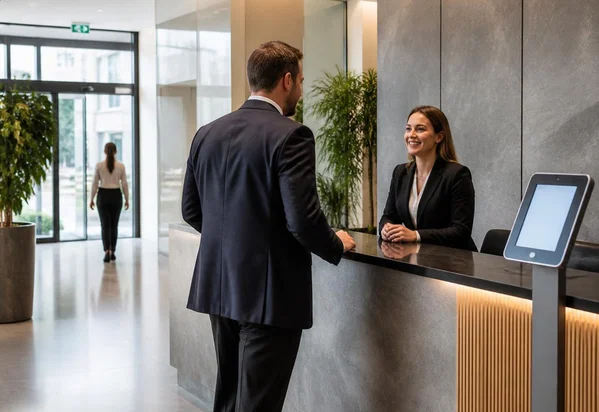
Say an unknown visitor walks in. With the right tools, your team can check their access in seconds. Biometric systems add another layer. Intrusion detection flags break-in attempts.
Stay up to date with the latest tech. Build it into your strategy.
Knowledge alone is not enough. A good manager stays alert to threats at all times. This helps them spot issues before they grow.
An alert officer spots crowd dynamics and hazards fast. Constant readiness means unusual activity gets caught early.
A sharp eye for detail is vital. The smallest thing can signal a threat - an unknown face in a restricted area, a minor log change, or a missing access card.
By catching these small issues, your head of security can act early and stop them from growing.
For more information on company security, you can explore our articles on emergency readiness plans, integrating visitor management with access control for optimal security, and our guide to ensure workplace security.
In a crisis, a security manager must think fast and act well. Flexibility and grit are key.
Say a fire breaks out. The manager must start the evacuation right away. They coordinate with emergency services and keep everyone safe. Staying calm under pressure is vital.
Leadership is another vital skill. Managers must lead and motivate their team.
A strong leader builds confidence and helps the team work smoothly. Good leaders communicate clearly. They assign roles. They debrief after events to discuss improvements.
Leadership matters. So does being a team player. A security manager must work well with others.
At an event, the manager must coordinate with other staff to keep things running smoothly. Being supportive and cooperative builds a strong team. A strong team strengthens overall security.
Good decisions depend on clear thinking. Analytical and critical thinking make this possible.
Managers need to read reports to spot patterns. They assess weak points in protocols. They check how well current measures work. Finding the root cause of a breach depends on these skills.
Communication is vital for any security pro. They must share info and orders clearly with their team and stakeholders.
During an incident, the manager gives clear orders so everyone knows their role. Good communication prevents confusion. It ensures a coordinated response.

Conflicts come up often. Staff may disagree on rules. Visitors may dispute access. Contractors may refuse checks.
This is where the manager steps in. Strong conflict resolution skills help defuse tension and find fair solutions. Managing conflicts well keeps the workplace safe and calm.
Security is always changing. Managers must stay on top of new trends, technologies, and best practices. Training programs and courses help them build the skills they need.
Continuous learning helps security managers adapt and stay effective. In the next section, we look at key trends shaping the industry in 2024.
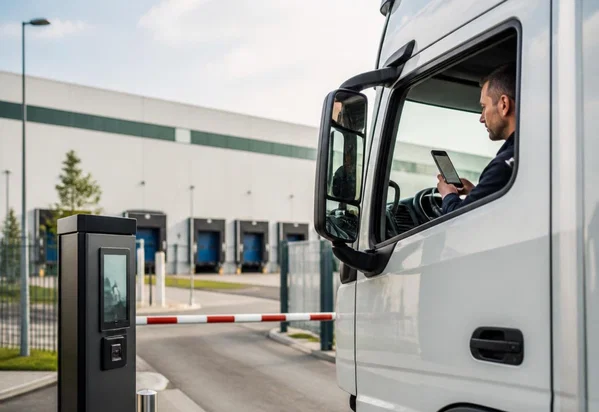
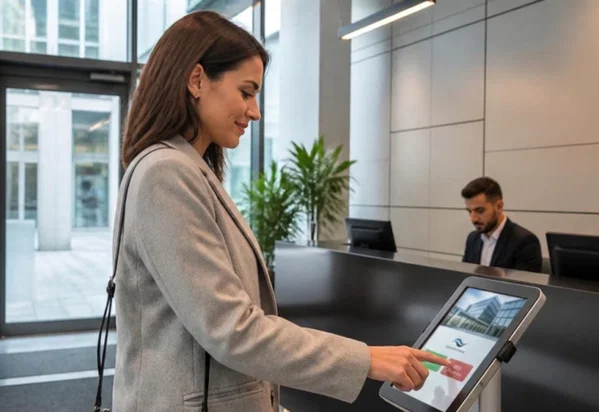
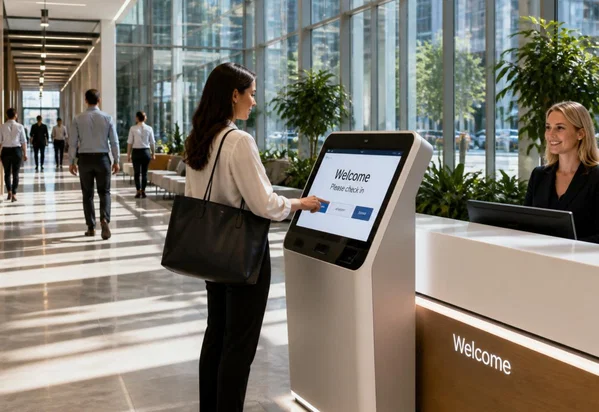
If you visit other companies often, you’ve likely seen check-in move from paper to tablets. Digital VMS tools are now standard. They save time and boost security.
Automated check-in lets managers verify credentials fast and keep clean records. It cuts the risk of unauthorized access. These systems also give real-time data for better decisions.
This is why digital visitor management systems will increasingly become the norm, setting a new standard for visitor management in the coming years.
If you are interested in finding out how a digital visitor management system can help your company, you can try out Vizito for free, or book a demo to learn more.
AI and Machine Learning (ML) are booming. Exciting apps are already in use in many fields. Security is no exception.
AI can scan huge amounts of data to spot patterns and predict threats. This lets managers act early and cut risk. ML also improves monitoring. Systems learn and adapt to new threats over time.
Cyber threats are a top challenge in 2024. As tech evolves, so do attacker tactics.
That’s why the focus is shifting to strong cybersecurity. Modern encryption, multi-factor auth, and real-time threat detection protect data and prevent breaches.
A key trend is remote security management. Cloud-based tools are flexible. They keep operations running from anywhere.
Managers can view footage, control access points, and respond to incidents in real time. This is useful for firms with many sites or those that need 24/7 monitoring.
Sustainability matters more than ever. Security is no exception. Companies are adopting green tools like solar-powered cameras and energy-efficient lighting. These cut the environmental impact of security operations.
The security manager role is demanding. It’s also more important than ever. Protecting assets, people, and data takes a clear set of strengths: tech knowledge, alertness, attention to detail, leadership, and quick thinking.
Continuous learning keeps managers effective and proactive. Adopting digital tools like a VMS helps them stay ahead.
To get a feel of how a modern visitor management system can help your business, try out Vizito during a 14-day trial. Chat with us or book a demo to discuss how Vizito can help you improve your reception.
 Hosted in Europe
 ISO 27001 Certified
 GDPR compliant
 249+ reviews
 No credit card required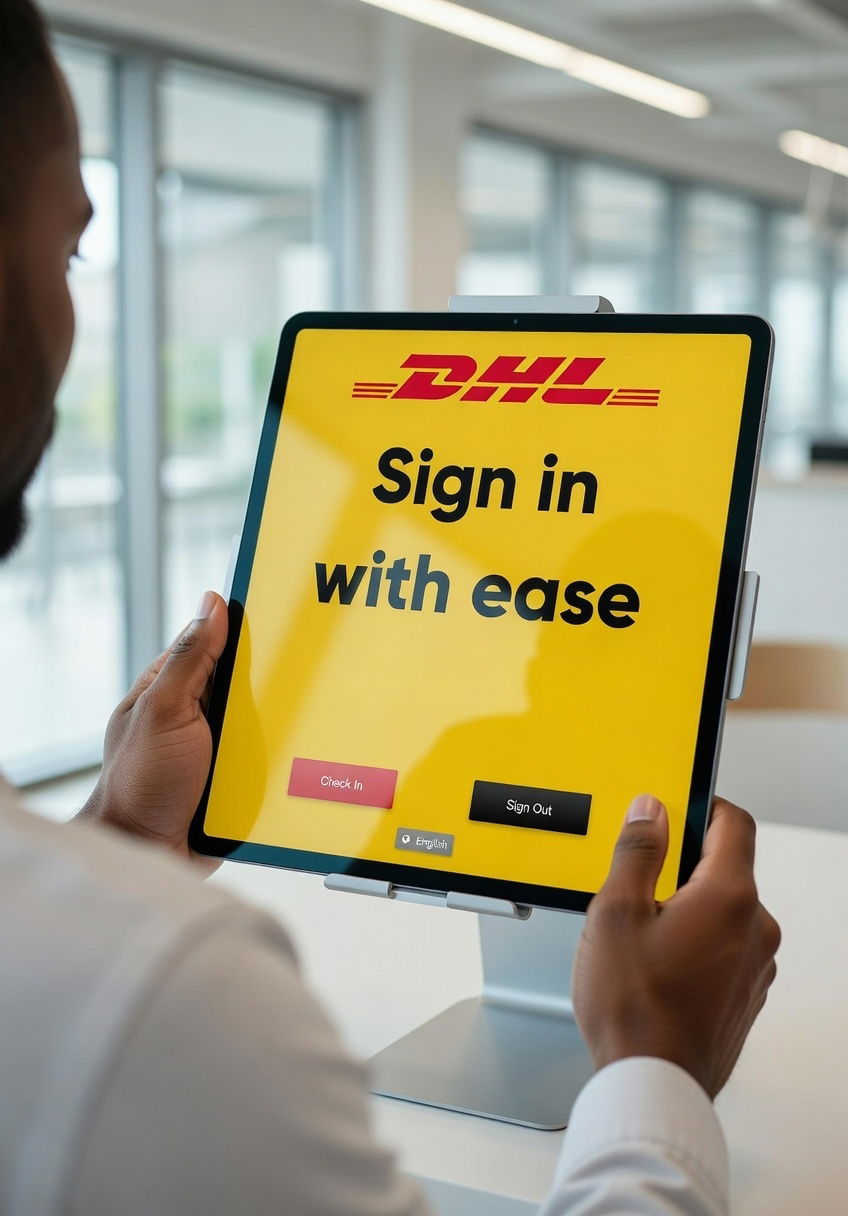
Our chat could not load
A content blocker or privacy extension is blocking client.crisp.chat, the service that runs our chat. Allow that address and try again, or reach us another way.
Contact us instead