Sep 07, 2026
Truck driver check-in: how to prevent waiting times at the gate
How can you improve data center security? Discover the roles security protocols, compliance, and risk mitigation. Our in-depth analysis provides insights into the latest strategies for securing data centers against evolving threats. Learn how to maximize security and operational efficiency in your data center.
Written by Jill, Content Manager - Written: December 23, 2023 - Last updated: July 27, 2026

Data center security requires a layered approach combining physical barriers, network defenses, and strict access control. A digital visitor management system like Vizito strengthens this security by automating identity verification, controlling area-specific access, maintaining detailed visitor logs, and ensuring compliance with regulations like GDPR and HIPAA. This article covers the key threats data centers face, best practices for security management, and a step-by-step guide to implementing a VMS in your facility.
Data centers store and manage data for businesses and organizations. They often hold sensitive information, including government, healthcare, and finance data. This makes them prime targets for attacks.
A secure data center is a controlled space where teams can safely store and process sensitive data. Security measures are essential to prevent unauthorized access to critical infrastructure like servers, storage devices, and networking systems.
The key elements of data center security are:
Data centers face a wide range of threats, including:
The Uptime Institute classifies data centers into tiers 1 through 4. This system helps you understand different levels of security and reliability.
| Tier | Infrastructure | Key Capability |
|---|---|---|
| Tier 1 | Dedicated IT space, UPS, 24/7 cooling, backup generator | Basic setup |
| Tier 2 | Adds backup systems for power and cooling | Maintenance without shutting down |
| Tier 3 | Extra power and cooling paths, independent facility | Equipment maintenance without downtime |
| Tier 4 | Full redundancy in all systems | Continuous operation even during maintenance |
Higher tier levels mean better protection against disruptions and data loss. Organizations with strict uptime needs and a long-term cloud strategy usually choose Tier 3 data centers. Some split their infrastructure across two Tier 3 centers. This gives them better availability at a lower cost than a single Tier 4 center.

Security threats keep evolving, so strong precautions in data centers are a must. The following tips and strategies will help you boost your data center’s security and protect sensitive information against a wide range of threats.
Physical security measures protect your data center against unauthorized access and physical threats. Examples include:
Good access control ensures that only authorized people can enter the data center or its sensitive areas. Key measures include:
Network security protects your data center’s digital infrastructure from cyber threats. Effective measures include:
Visitor management plays a key role in keeping data centers safe. Vizito’s data centre visitor management system offers many benefits and features that strengthen security:
In high-security data centers, strict visitor identification is essential. You must verify each visitor’s identity before granting building access. A digital visitor management system makes this process much easier.
The system can use advanced identification methods like biometric scans alongside traditional ID checks. Fingerprint scanning and other biometric tools add an extra layer of security. They help prevent identity fraud and ensure only authorized people can access critical areas.
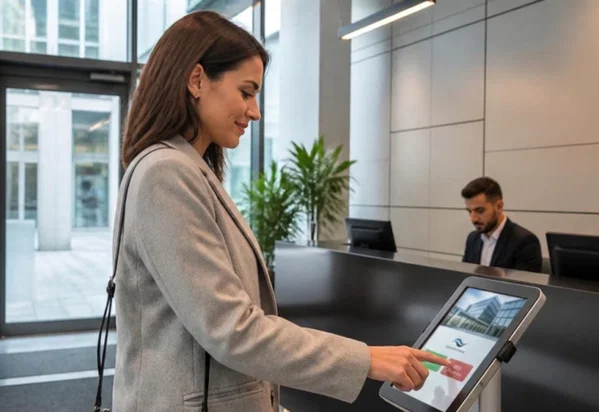
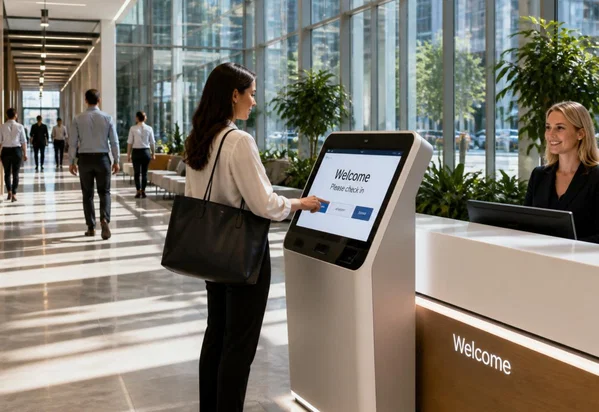
A VMS offers a digital check-in process that is both efficient and secure. It manages and monitors who enters and exits the data center. This ensures only authorized people can reach sensitive areas.
Vizito takes this further with area-specific access permissions. You can assign each visitor a specific type based on the purpose of their visit. For example, a maintenance worker may access technical areas but not server rooms. An IT auditor might have broader access. This tailored approach greatly reduces the risk of unauthorized access to critical zones. Controlled access like this is essential for security, operational integrity, and compliance with industry regulations.
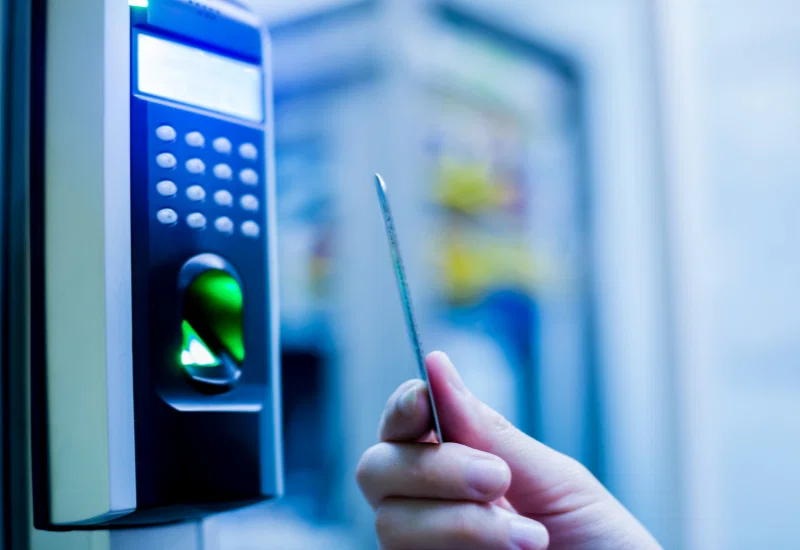
A cloud-based visitor management system keeps detailed records of visitor activity. These logs are valuable for security audits and regulatory compliance. They provide a clear, time-stamped record of every person’s movements within the facility. This is crucial for tracing activities if a security breach occurs.
The system sends instant alerts when a visitor arrives. This reduces the time visitors spend unattended and boosts overall security awareness. Staff receive immediate updates on visitor movements, so they can respond quickly to any security concerns.
A modern visitor management system helps you quickly respond to and manage security incidents involving visitors.
When a security incident occurs - such as an unauthorized access attempt - Vizito responds right away. It alerts security teams and gives them critical details about the incident. This includes who is involved and their exact location within the data center.
A visitor management system monitors visitor locations within the facility. This adds an extra layer of security and provides vital information during emergencies.
In an emergency, you can quickly find where each visitor is located. This allows for fast evacuations or targeted response actions. It also ensures that every person in the facility is accounted for and managed safely.
A visitor management system like Vizito helps you meet industry standards and legal requirements such as GDPR. It does this by keeping detailed visitor records and storing them safely. Vizito also helps data centers comply with other regulations like HIPAA (for healthcare data) and ISO standards.
A good visitor management system integrates smoothly with existing CCTV and alarm systems in data centers. This integration makes visitor management part of the broader security setup. It boosts the overall effectiveness of security measures and creates a unified approach to protecting sensitive data and infrastructure.
By using Vizito, data centers can greatly strengthen their security. Our visitor management system for data centers manages and monitors visitor access, meets regulatory requirements, and responds to security incidents. Discover the benefits firsthand with a 14-day free trial to see how Vizito can transform your data center’s security.
Vizito can streamline visitor management, boost security, and help you comply with regulations. Here is how to integrate Vizito into your data center operations.
Start by assessing your current visitor management processes and identify areas where Vizito can offer improvements.
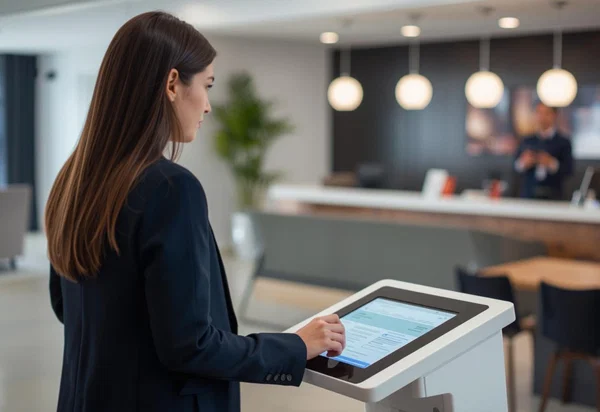
Install the Vizito software and hardware. Set up kiosks or tablets at entry points. Then configure the system for identity verification, visitor tracking, and automated notifications. The setup is quick and easy. Check out this article on getting started with a VMS in less than 30 minutes.
You can seamlessly integrate Vizito with your existing security systems, such as access control and surveillance cameras, for a unified security approach.
Offer hands-on training sessions so your staff can learn the new system. Make sure they understand how to operate Vizito and how it fits into your existing security setup.
Go live with Vizito and monitor its performance. Gather feedback from staff and visitors, then make any needed adjustments. Keep your team updated on new features or changes in the system.
Data center security requires a layered approach, from strong physical barriers to advanced network defenses. An effective visitor management system sits at the center of these security layers. Vizito offers identity verification, detailed visitor logs, automated alerts, and efficient tracking. It also integrates smoothly with existing security systems. These features simplify visitor management while strengthening overall data center security.
See how Vizito can improve your data center’s security. Start with a 14-day free trial and discover firsthand how it strengthens your organization’s protection.
Did this help?
Make Vizito a preferred source on Google and our articles turn up more often for you in Search and in Discover. Google's preferences page opens in a new tab, so you keep your place here.
Make Vizito a preferred source Hosted in Europe
 ISO 27001 Certified
 GDPR compliant
 236+ reviews
 No credit card required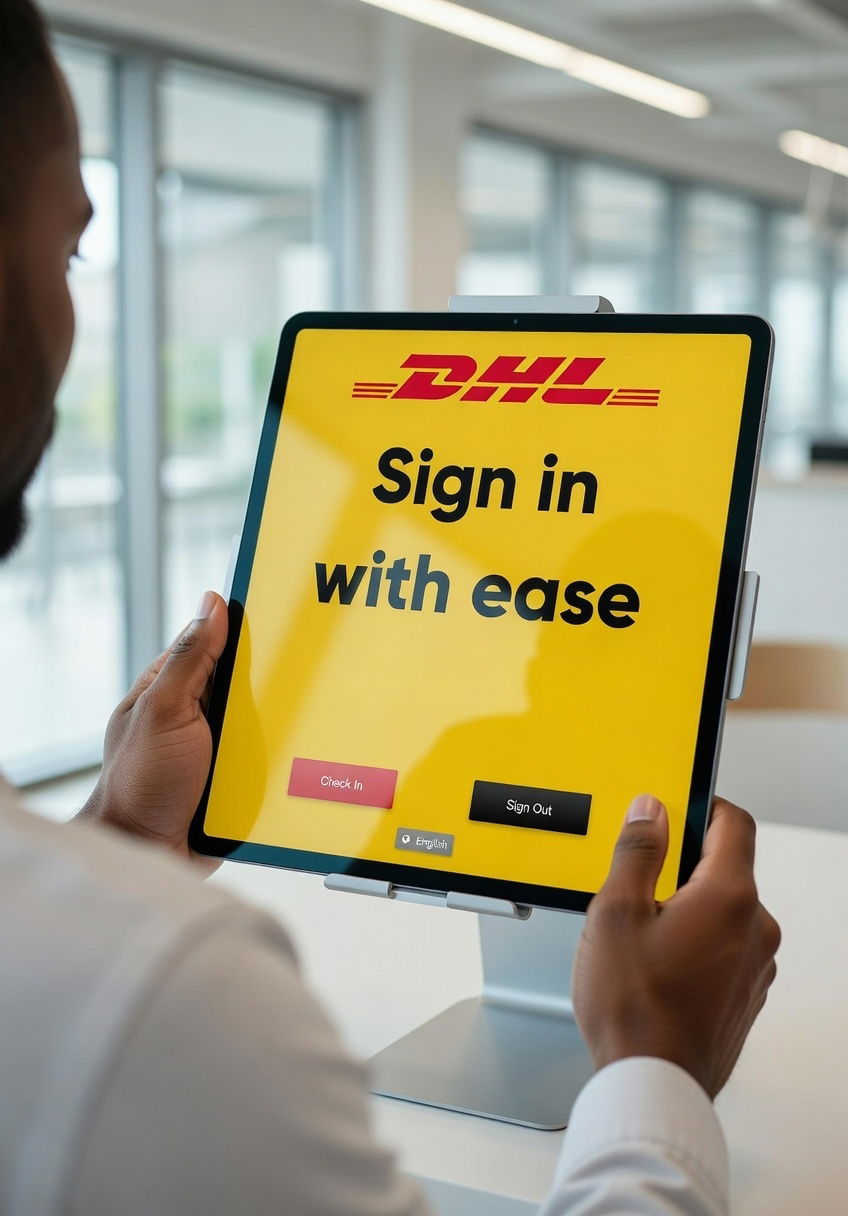
Our chat could not load
A content blocker or privacy extension is blocking client.crisp.chat, the service that runs our chat. Allow that address and try again, or reach us another way.
Contact us instead